The holidays can be so tough when you're reeling from betrayal. My D-Day was Dec. 10 and there was little merry about that particular Christmas nine years ago.
My wish for all of you is that you're able to create even the teensiest bit of peace for yourselves.
I wish you the ability to breathe through the pain, to trust that you are strong enough to weather this, and offer the assurance that you've got a sisterhood of wise, wonderful, whole-hearted women who will guide you through this even as they navigate their own pain.
Here's your holiday to-do list, ladies:
•Be gentle with yourselves.
•Keep your hearts open to look for the slivers of light that show up even when your days feel unbearably dark. Keep a journal of moments that give you hope.
•Stick to your boundaries. They are there to keep you safe and to remind you to always honour yourself and your feelings.
•Steer clear of excessive anything – booze, drugs, food, shopping, exercise, gambling, sex. Strive for simplicity and self-control. I know, not easy. But try.
•Forgive yourself. For being sad when our culture tells us this is a "happy" time of year. For being confused about what's next. For not kicking him out when you said this was a deal-breaker. For kicking him out when you thought you could forgive him. Forgive yourself for hurting. Forgive yourself for yelling at him. Give yourself the gift of forgiveness this holiday.
•Trust that this time next year, you'll be further along in your healing.
Pages
- Home
- Feeling Stuck, Page 22 (PAGE FULL)
- Sex and intimacy after betrayal
- Share Your Story: Finding Out, Part 5 (4 is full!!...
- Finding Out, Part 5 (Please post here. Part 4 is f...
- Stupid S#*t Cheaters Say
- Separating/Divorcing Page 9
- Finding Out, Part 6
- Books for the Betrayed
- Separating and Divorcing, Page 10
- Feeling Stuck, Part 23
- MORE Stupid S#*t Cheaters Say
- Share Your Story Part 6 (Part 5 is full)
- Sex & Intimacy After Betrayal Part 2 (Part 1 is full)
- Share Your Story
- Share Your Story Part 7 (6 is FULL)
Thursday, December 24, 2015
Sunday, December 20, 2015
Let's Send Steam Our Love
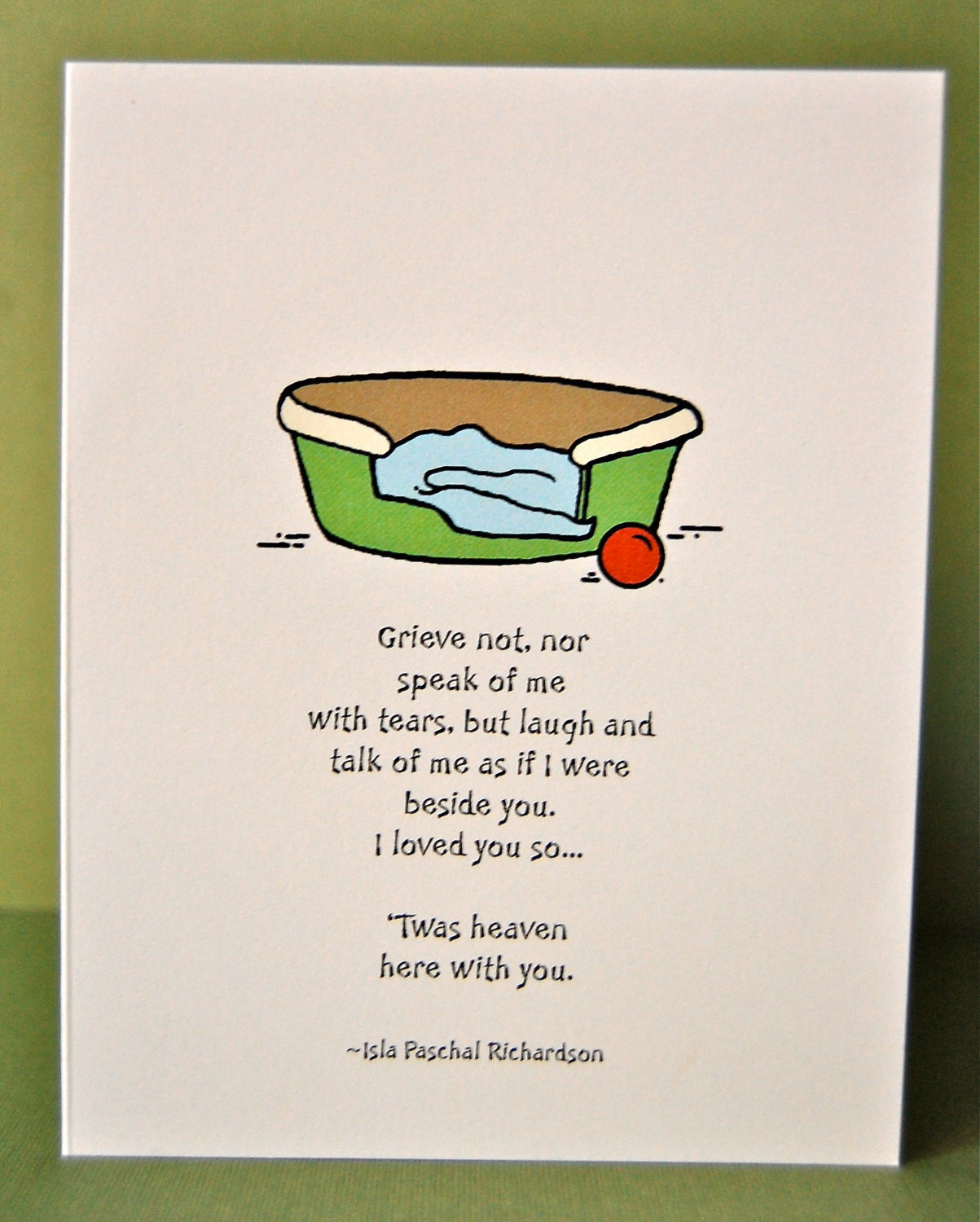
The wise and wonderful Steam, who has given so much to us here, is hurting badly. Not betrayal, thank God. But she just lost her beloved pup – an 18-month-old bundle who helped Steam's heart open when she was going through the hell of betrayal. Her little Chakita got sick suddenly and went downhill quickly.
I hope those of you who know Steam can send her strength and prayers and love.
Wednesday, December 16, 2015
This is Gonna Hurt...
Many, many years ago, I decided to become a runner. I was in a miserable relationship that was long past its best-before date. I was working at a low-pay job that showed no signs of ever becoming a high-pay job. I was feeling left behind by friends who were getting married, launching careers, buying homes.
And so I chose to run.
We'll ignore what running meant metaphorically and instead focus on the fact that running was my private version of hell. I had never been an athlete. I didn't believe in sweating on purpose.
And yet, each evening after work, compelled by something I didn't quite understand, I would lace up my running shoes and set out. At first, it was all I could do to run a block without feeling as though my heart was going to pound out of my chest and I was going to die right there on a busy sidewalk, with my new sneakers barely worn in.
So I made it a game: I would force myself to run to something I could see ahead – a certain car parked on the road, a lamp post, a stop sign. Just that far, I would tell myself.
I would run to the car or the lamp post or the stop sign and when I didn't die as soon as I reached it, I would choose another car or lamp post or stop sign and run to it. Always, always I could go further than I believed I could. Some evenings a bit farther, some evenings a lot farther. Eventually I could run 10 kilometres that way. And then, I could run 26 miles that way.
It hurt. It hurt like hell. My legs burned. My feet ached. My back occasionally spasmed. There were many times I honestly thought I might die. I imagined heart attacks. Aneurysms. Strokes.
None of my doomsday scenarios happened. Instead I got strong and lean and powerful. Instead I got brave. Instead, the pain gave way to not pain. To ease. To joy in the running.
When I first learned that my husband had cheated on me, I couldn't imagine how I was going to survive the next five minutes, let alone the days and weeks and months that I knew lay ahead. I wanted to die. Scratch that. I didn't want to die, I wanted the pain to end and I couldn't imagine that happening any other way than for me to end. I fantasized about head injuries that would erase my memories and let me start over. I fantasized terminal illnesses that would let me die without guilt. I lived in darkness, stoking my pain and assuming this was my lot for the rest of my life.
But then I remembered my running strategy. Just get to the next...moment, morning, weekend. And then, when I'd make it, still heartbroken but nonetheless alive, I'd focus on just getting to the next. And the one after that.
It reminds me of the old writing adage from E.L. Doctorow:
When you, m beloved BWC club members, write in with your pleas – "when will this stop hurting?" – I wish I could give you a date. It will stop hurting on July 13 at 7:12 p.m. Hang in there, sweetie. Instead I can only tell you that it will stop. I don't know when – it's different for each of us – but I know it will stop. But whether healing comes in months or years, it will come. And it will come in moments, not a sudden bolt of lightening. It is happening, moment by moment, even when you can't see it. In the meantime, it hurts like a motherfucker.
And so...this is gonna hurt. And it's gonna hurt for a whole lot longer than we'd like it to.
But each of us has the strength to endure. Even when we feel broken open, when we feel we just can't survive this heartbreak another minute, we can. And we will.
Because what other choice do we have?
We will choose to make it to the next...minute. The next morning. The next weekend. We will choose to cling to the promise of those who've gone before us that the day will come when this is behind us.
And as we heal, as time mends the cracks in our hearts in stitches so delicate but so sure, we will acknowledge the bravery with which we're handling this.
We can trust our headlights to take us as far as we need to see right now. And with that, we can make it the whole way.
And so I chose to run.
We'll ignore what running meant metaphorically and instead focus on the fact that running was my private version of hell. I had never been an athlete. I didn't believe in sweating on purpose.
And yet, each evening after work, compelled by something I didn't quite understand, I would lace up my running shoes and set out. At first, it was all I could do to run a block without feeling as though my heart was going to pound out of my chest and I was going to die right there on a busy sidewalk, with my new sneakers barely worn in.
So I made it a game: I would force myself to run to something I could see ahead – a certain car parked on the road, a lamp post, a stop sign. Just that far, I would tell myself.
I would run to the car or the lamp post or the stop sign and when I didn't die as soon as I reached it, I would choose another car or lamp post or stop sign and run to it. Always, always I could go further than I believed I could. Some evenings a bit farther, some evenings a lot farther. Eventually I could run 10 kilometres that way. And then, I could run 26 miles that way.
It hurt. It hurt like hell. My legs burned. My feet ached. My back occasionally spasmed. There were many times I honestly thought I might die. I imagined heart attacks. Aneurysms. Strokes.
None of my doomsday scenarios happened. Instead I got strong and lean and powerful. Instead I got brave. Instead, the pain gave way to not pain. To ease. To joy in the running.
When I first learned that my husband had cheated on me, I couldn't imagine how I was going to survive the next five minutes, let alone the days and weeks and months that I knew lay ahead. I wanted to die. Scratch that. I didn't want to die, I wanted the pain to end and I couldn't imagine that happening any other way than for me to end. I fantasized about head injuries that would erase my memories and let me start over. I fantasized terminal illnesses that would let me die without guilt. I lived in darkness, stoking my pain and assuming this was my lot for the rest of my life.
But then I remembered my running strategy. Just get to the next...moment, morning, weekend. And then, when I'd make it, still heartbroken but nonetheless alive, I'd focus on just getting to the next. And the one after that.
It reminds me of the old writing adage from E.L. Doctorow:
"Writing is like driving a car at night in the fog. You can only see as far as your headlights, but you can make your whole trip that way."Change writing to "healing" and you've got another truth:
"Healing is like driving a car at night in the fog. You can only see as far as your headlights, but you can make the whole trip that way."It's excruciating to not know what's around the corner. Will he cheat again? Is he cheating still? Will I still be in agony? Should I leave him? Will I find someone else? And on and on and round and round we go, asking questions that can only be answered by time. Time feels like the enemy. Night would stretch out like black ink that swallowed me, leaving me alone and terrified. Morning was no better. I was expected to behave like someone capable, someone rational, someone whose world wasn't shattered. How was I supposed to pull that off?
When you, m beloved BWC club members, write in with your pleas – "when will this stop hurting?" – I wish I could give you a date. It will stop hurting on July 13 at 7:12 p.m. Hang in there, sweetie. Instead I can only tell you that it will stop. I don't know when – it's different for each of us – but I know it will stop. But whether healing comes in months or years, it will come. And it will come in moments, not a sudden bolt of lightening. It is happening, moment by moment, even when you can't see it. In the meantime, it hurts like a motherfucker.
And so...this is gonna hurt. And it's gonna hurt for a whole lot longer than we'd like it to.
But each of us has the strength to endure. Even when we feel broken open, when we feel we just can't survive this heartbreak another minute, we can. And we will.
Because what other choice do we have?
We will choose to make it to the next...minute. The next morning. The next weekend. We will choose to cling to the promise of those who've gone before us that the day will come when this is behind us.
And as we heal, as time mends the cracks in our hearts in stitches so delicate but so sure, we will acknowledge the bravery with which we're handling this.
We can trust our headlights to take us as far as we need to see right now. And with that, we can make it the whole way.
Tuesday, December 15, 2015
Friday, December 4, 2015
What was your moment of transformation?
I was listening, as I often do, to a recent podcast of Dear Sugar, featuring advice givers Steve Almond and Cheryl Strayed. I can't recall the question but a comment struck me. It referred to a "moment of transformation".
I got wondering about my moment of transformation. At what point in my healing did I shift from anger and despair to compassion and hope? At what point did I realize that I was going to make it? Be okay? Not only survive but emerge from this in a better place than I'd been?
My transformation, I think, began on Father's Day 2007.
It had been six months of agony. Six months of tears and trauma. Thoughts of suicide. Thoughts of homicide. White-hot rage. Deep sadness. Stomach-churning fear.
We were returning from my nephew's christening in another city. Our three kids had fallen asleep in the back seat. My husband and I were chatting about a co-worker, someone who'd been friends with my husband's work assistant, his "other woman".
For six months, I'd been baffled by the affair. Why? I asked endlessly. Why her? I simply couldn't understand. "It was just sex," he'd tell me, but that answered nothing. I knew he didn't find her physically attractive. Hell, I knew he didn't like her. He'd spent years telling me he wished he could fire her.
And so, while we were talking about this other co-worker, my antennae were up. I didn't like this other co-worker. I didn't trust him. But when my husband made some off-hand remark about the time they were all at a "strip club", alarm bells went off.
Strip club? My husband didn't go to strip clubs. They were exploitive? They were...gross. What the hell?
In the darkness of our car, with our kids asleep in the back seat, I took off my wedding band, placed it on the console between us. "When we get home and the kids are in bed," I said quietly but with total resolve, "you are going to tell me everything."
And he did.
I learned about the years of sexual acting out that pre-dated our entire relationship. I learned about the many, many other women. And that missing puzzle piece – why? why her? – clicked into place.
My husband told me he was in treatment for sex addiction. That he'd sought treatment immediately after D-Day #1. For the past six months, he'd been working really hard to face up to what he'd done and try to understand why he'd done it. His counsellor consistently told him he needed to tell me everything. My husband consistently said 'not yet', sure that I would leave and he would lose everything that mattered to him.
Curled in a ball on the floor, my husband sobbed. "I am so sorry," he said, over and over and over. I had never seen anyone so broken. This was my children's father. My husband. In spite of everything, my friend.
When he finally stood up, he told me he would pack and leave. Something shifted inside me and I told him, "No. Don't leave. But I can't promise you anything more than that I will be your friend through this." And I meant it.
My moment of transformation.
I can't say that I didn't continue to have periods of anger. I certainly cried many more tears. There were times I hated him. I hated what he'd done. I never have put my wedding band back on, convinced that our marriage vows, offered during a time when he was already violating them, mean nothing.
Nonetheless, transformation began that night. A transformation that opened me to compassion for his pain. A transformation that let light into the cracks of my heart. A transformation that gave me a glimpse of a life beyond this pain – where the two of us rebuilt something amazing.
I resisted. I told myself that I was waiting only to ensure that he was emotionally healthy enough to be a good father to our children. Until I felt strong enough to go it alone. For many more months, I had one foot out the door.
But over time, that moment of transformation became greater. I saw myself differently. I transformed my life in a way that made it so much more my own. I placed greater demands on the people in my life to behave with integrity. I spent my own time and energy and money more carefully on things that gave me joy.
That's not to say things are perfect. Life is full of challenges and I'm constantly learning and growing and considering where I am and where I want to be – as a wife, friend, parent, writer.
Transformation isn't a one-time thing. It's a process.
For those just landing on this site, I want you to know it's possible to emerge from this changed in a good way. For those who feel stuck, I want you to know you won't always be stuck. Stuck might just be a resting spot along the way. And for those of you transformed? Tell us how it happened. What was your moment – or process – of transformation.
I got wondering about my moment of transformation. At what point in my healing did I shift from anger and despair to compassion and hope? At what point did I realize that I was going to make it? Be okay? Not only survive but emerge from this in a better place than I'd been?
My transformation, I think, began on Father's Day 2007.
It had been six months of agony. Six months of tears and trauma. Thoughts of suicide. Thoughts of homicide. White-hot rage. Deep sadness. Stomach-churning fear.
We were returning from my nephew's christening in another city. Our three kids had fallen asleep in the back seat. My husband and I were chatting about a co-worker, someone who'd been friends with my husband's work assistant, his "other woman".
For six months, I'd been baffled by the affair. Why? I asked endlessly. Why her? I simply couldn't understand. "It was just sex," he'd tell me, but that answered nothing. I knew he didn't find her physically attractive. Hell, I knew he didn't like her. He'd spent years telling me he wished he could fire her.
And so, while we were talking about this other co-worker, my antennae were up. I didn't like this other co-worker. I didn't trust him. But when my husband made some off-hand remark about the time they were all at a "strip club", alarm bells went off.
Strip club? My husband didn't go to strip clubs. They were exploitive? They were...gross. What the hell?
In the darkness of our car, with our kids asleep in the back seat, I took off my wedding band, placed it on the console between us. "When we get home and the kids are in bed," I said quietly but with total resolve, "you are going to tell me everything."
And he did.
I learned about the years of sexual acting out that pre-dated our entire relationship. I learned about the many, many other women. And that missing puzzle piece – why? why her? – clicked into place.
My husband told me he was in treatment for sex addiction. That he'd sought treatment immediately after D-Day #1. For the past six months, he'd been working really hard to face up to what he'd done and try to understand why he'd done it. His counsellor consistently told him he needed to tell me everything. My husband consistently said 'not yet', sure that I would leave and he would lose everything that mattered to him.
Curled in a ball on the floor, my husband sobbed. "I am so sorry," he said, over and over and over. I had never seen anyone so broken. This was my children's father. My husband. In spite of everything, my friend.
When he finally stood up, he told me he would pack and leave. Something shifted inside me and I told him, "No. Don't leave. But I can't promise you anything more than that I will be your friend through this." And I meant it.
My moment of transformation.
I can't say that I didn't continue to have periods of anger. I certainly cried many more tears. There were times I hated him. I hated what he'd done. I never have put my wedding band back on, convinced that our marriage vows, offered during a time when he was already violating them, mean nothing.
Nonetheless, transformation began that night. A transformation that opened me to compassion for his pain. A transformation that let light into the cracks of my heart. A transformation that gave me a glimpse of a life beyond this pain – where the two of us rebuilt something amazing.
I resisted. I told myself that I was waiting only to ensure that he was emotionally healthy enough to be a good father to our children. Until I felt strong enough to go it alone. For many more months, I had one foot out the door.
But over time, that moment of transformation became greater. I saw myself differently. I transformed my life in a way that made it so much more my own. I placed greater demands on the people in my life to behave with integrity. I spent my own time and energy and money more carefully on things that gave me joy.
That's not to say things are perfect. Life is full of challenges and I'm constantly learning and growing and considering where I am and where I want to be – as a wife, friend, parent, writer.
Transformation isn't a one-time thing. It's a process.
For those just landing on this site, I want you to know it's possible to emerge from this changed in a good way. For those who feel stuck, I want you to know you won't always be stuck. Stuck might just be a resting spot along the way. And for those of you transformed? Tell us how it happened. What was your moment – or process – of transformation.
Monday, November 30, 2015
From the Vault: Five Ways We Hurt Ourselves After His Affair
[THIS OLDIE BUT GOODIE REMAINS THE MOST-READ POST ON THIS SITE BUT COMMENTS HAVE EXCEEDED MY COMPUTER'S ABILITY TO READ THEM. FOR THAT REASON, I'M RE-POSTING SO WE CAN START A NEW COMMENT THREAD.]
Infidelity is excruciating. Never in my dreams did I imagine how excruciating. Like most women, I had talked about what I'd do if I found out my husband cheated. My friends and I, when we heard of someone having an affair, would inevitably say to each other, "Well, if my husband ever did that, I'd show him the door so fast..." We imagined we'd wipe our hands of the scumbag, throw his stuff on the front lawn and be done with it. At no point did I imagine years of therapy, anti-depressants, and a stack of books on my bedside table that covered everything from forgiveness to sex addiction.
Life has a way of messing with my plans.
I've learned, however, that though I clearly couldn't control what choices my husband had made (oh, if I could have!!) I could learn to control myself. I say learn to control myself because I'd never really thought of it that way before. I'd always operated from the "I am what I am" school of thought. That my responses to life were the result of some personality lottery, and I received a rather impetuous, emotional, mercurial one. So when I knocked a television off a table to indicate just how angry I was with my husband well...how could I control that? I was fiery.
Ummm....no.
Over the years following discovery of my husband's cheating, I began to recognize just what I could control (actions). And what I couldn't (feelings). By controlling actions I can so often better manage feelings. I can keep them from galloping away, and taking me with them. The goal, of course, isn't to turn into some sort of automaton whose feelings are experienced with precision and control. It's to get to a place of healthy healing, where you can feel all your emotions – joy, pain, fear, excitement – without acting in ways that aren't consistent with your values.
Unfortunately when we're in such emotional pain we can lose sight of what we can and cannot control. The part of our brain that performs the so-called executive functions has been hijacked by the part of our brain that focuses on pure survival, our reptilian brain. And by survival, I'm not referring to scrapping it out with our five-year-old over the last piece of pizza because we're starving...but rather emotional survival, a craving to understand just exactly what the threat is that we're dealing with so that we can be prepared for it. It's a rational impulse. But our ways of achieving it can be irrational. Julie Gottman calls at least some of our behaviour PTSD and had this to say in a New York Times story about deception: "When secrets emerge ... the partner suffers profoundly. Post-traumatic stress disorder is the result — being battered by unwanted intrusive thoughts about the betrayal, nightmares, emotional numbing coupled with unpredictable explosions, sleep disturbances and hyper-vigilance as the partner or spouse searches for yet some other betrayal."
Consider these five ways we hurt ourselves in the name of "survival".
Pain shopping (or asking the same questions over and over and over and...): Most of us, when we finally get proof (or an admission) of cheating from our spouses are flooded with questions. How did this happen? When? Where did they meet? What did they do? Did he meet her friends? Did other people know? What does she look like? Where does she work? Does she wear high heels? Is she vegetarian? and on and on and on, until our poor brains simply can't absorb the volume of information and our spouses can't even keep track of the details.
The need to know is crucial and valid. For too long, we've been outside the door of the affair with no awareness of what's going on behind it. In order for a marriage to heal (or you to heal on your own), it really does help to open the door and have the chance to take a look around. But – and it's a big but – at a certain point you have all the information you really need. The rest is pain shopping.
Infidelity is excruciating. Never in my dreams did I imagine how excruciating. Like most women, I had talked about what I'd do if I found out my husband cheated. My friends and I, when we heard of someone having an affair, would inevitably say to each other, "Well, if my husband ever did that, I'd show him the door so fast..." We imagined we'd wipe our hands of the scumbag, throw his stuff on the front lawn and be done with it. At no point did I imagine years of therapy, anti-depressants, and a stack of books on my bedside table that covered everything from forgiveness to sex addiction.
Life has a way of messing with my plans.
I've learned, however, that though I clearly couldn't control what choices my husband had made (oh, if I could have!!) I could learn to control myself. I say learn to control myself because I'd never really thought of it that way before. I'd always operated from the "I am what I am" school of thought. That my responses to life were the result of some personality lottery, and I received a rather impetuous, emotional, mercurial one. So when I knocked a television off a table to indicate just how angry I was with my husband well...how could I control that? I was fiery.
Ummm....no.
Over the years following discovery of my husband's cheating, I began to recognize just what I could control (actions). And what I couldn't (feelings). By controlling actions I can so often better manage feelings. I can keep them from galloping away, and taking me with them. The goal, of course, isn't to turn into some sort of automaton whose feelings are experienced with precision and control. It's to get to a place of healthy healing, where you can feel all your emotions – joy, pain, fear, excitement – without acting in ways that aren't consistent with your values.
Unfortunately when we're in such emotional pain we can lose sight of what we can and cannot control. The part of our brain that performs the so-called executive functions has been hijacked by the part of our brain that focuses on pure survival, our reptilian brain. And by survival, I'm not referring to scrapping it out with our five-year-old over the last piece of pizza because we're starving...but rather emotional survival, a craving to understand just exactly what the threat is that we're dealing with so that we can be prepared for it. It's a rational impulse. But our ways of achieving it can be irrational. Julie Gottman calls at least some of our behaviour PTSD and had this to say in a New York Times story about deception: "When secrets emerge ... the partner suffers profoundly. Post-traumatic stress disorder is the result — being battered by unwanted intrusive thoughts about the betrayal, nightmares, emotional numbing coupled with unpredictable explosions, sleep disturbances and hyper-vigilance as the partner or spouse searches for yet some other betrayal."
Consider these five ways we hurt ourselves in the name of "survival".
Pain shopping (or asking the same questions over and over and over and...): Most of us, when we finally get proof (or an admission) of cheating from our spouses are flooded with questions. How did this happen? When? Where did they meet? What did they do? Did he meet her friends? Did other people know? What does she look like? Where does she work? Does she wear high heels? Is she vegetarian? and on and on and on, until our poor brains simply can't absorb the volume of information and our spouses can't even keep track of the details.
The need to know is crucial and valid. For too long, we've been outside the door of the affair with no awareness of what's going on behind it. In order for a marriage to heal (or you to heal on your own), it really does help to open the door and have the chance to take a look around. But – and it's a big but – at a certain point you have all the information you really need. The rest is pain shopping.
Digging for "evidence" of an affair he's already admitted: My husband came clean fairly quickly about his affair. Within 24 hours I knew pretty much everything I needed to know. Did that stop me from rifling through his drawers, his phone records, his VISA statements and anything else I could get my hands on? Of course it didn't. I was like some sort of crazed forensics expert, pouring over everything as if it could doubly confirm what I already knew. Did I discover anything crucial? Nope. Not a thing. Sure I saw some receipts for dinners out with her. But given that I already knew they'd slept together on a number of occasions, what did it matter that he felt obliged to buy her a steak? I already knew at that point he was a liar and a cheater...everything else was a matter of degree. Do yourself a favor. Find out what you need to know to paint the big picture. Then stop. At this point you're distracting yourself from actually feeling the pain of what you now know. You can't dam up that flood of emotions no matter how long you spend looking at receipts.
Staying in contact with the Other Woman: I sent the OW a Christmas card (my D-Day was December 11) in which I included a photo of my husband and our kids, along with a note about how I knew how much she'd "done" for our family. It was the type of card that, had she taken it to my husband's and her employer, would make her look insane because on the surface it was innocuous. Almost sweet. But she – and I – knew exactly what I was saying. But that was where the contact stopped. I know too many women who stay in touch with the OW, either via Facebook or mutual friends or even face-to-face, and I can't believe anything good can ever come of it, assuming the OW knew about you. Block her on FB, steer as far out of her way as possible, cut her out of your life. She's poison.
Numbing ourselves with drugs/alcohol/food/shopping/insert-compulsive-behavior-here: Oh...it's tempting. So tempting that I didn't take a drink for months after D-Day because, as the daughter of two alcoholics, I was pretty sure it would end badly. But forewarned is forearmed. Recognize that right now you are incredibly vulnerable. And for most of us the discomfort of feeling vulnerable is something we'll do almost anything to stop. Like eat a chocolate cake, buy four pairs of shoes, pop Zoloft like it's candy, even exercise to the point of injury. Whatever your compulsion of choice is, now's the time to put it under a microscope and determine just how much is healthy...and how much is harmful. You need you right now. Not some numbed out zombie with too many shoes.
Maintaining toxic friendships: Infidelity brings up a lot of issues for a lot of people. There are those who will suggest you "get over" this, those who dismiss your angst with impatience that you don't just kick him out, those who avoid you because your experience brings up uncomfortable feels about their own marriage. It's tempting to keep everyone close because you're feeling so alone. But toxic people simply make your pain and loneliness worse. You need compassion and understanding, not blame, frustration, impatience or unsolicited advice. If there's no-one in real life, please remember that we're here, we know your pain and will lovingly guide to toward healing.
That's the short list. Are there things you do that you recognize are only hurting yourself? Share your story here. Others will no doubt recognize themselves. Together we'll heal.
Thursday, November 26, 2015
Feeling Each Other's Pain
"It's when you can feel your opponent's pain that the path to reconciliation begins." ~Jonathan Sacks, former chief rabbi in an interview with Krista Tippet On Being
Being cheated on will never feel "fair". And "fair" is what so many of us are after. "But it's not fair!" I would wail, like a seven-year-old whose brother got a bigger slice of pie. I was right, of course. It wasn't fair.
It wasn't fair that he got the sex and I got the empty bed. It wasn't fair that he got the attention and I got the loneliness. It wasn't fair that he got the ego strokes and the excitement of forbidden relationships while I got the day in-day out mundanity of life with three young children.
It wasn't fair that I was in excruciating pain. That I couldn't eat or sleep or work. It wasn't fair that my entire life was turned upside down because of his choices. It wasn't fair that I couldn't listen to the radio without being triggered. I couldn't see a certain model of car. I couldn't go to certain restaurants or see certain friends or experience certain kinds of weather without doubling over in pain.
It wasn't fair. None of it.
But life, as I so often remind my own children, isn't fair. And all the wishing in the world won't make it so.
Where does that leave us?
Well...it leaves us accepting that even if we cheat on him and dump his ass and successfully sue the OW for "alienation of affection" and he loses his job and his children hate him and he winds up, sockless and hatless, on a freezing winter day living in a refrigerator box and getting arrested for urinating in a public place, our hearts will still have been broken. It leaves us with a decision: To rave about the unfairness of it all or to move forward with a different understanding.
Because even if we think he somehow got away with something, what did he get away with, really? He got away with hurting the person he vowed to never hurt. He got away with being a lying scumbag. Do we really believe he isn't paying a price for those things?
Those who don't pay a price for betrayal are without a conscience. And if your husband lacks a conscience or is masterful at ignoring his conscience and plans to stay that way, then do yourself a huge favor and lawyer up.
If, however, your husband isn't a narcissist or too divorced from emotion to experience any genuine remorse for his actions, then your husband is paying. He might not be paying enough in your view (would a pound of flesh in the form of his private parts suffice, ladies?). But he's paying.
His self-respect is gone. His belief in himself as a "good guy" is gone. After all, he's that guy – the one who devastated his entire family just so he could screw someone who doesn't mean much to him in the cold light of day.
My husband paid for what he did every day for months when, as he said, he had to see the pain in my eyes and know that he was the one who caused it.
Understanding that our husbands didn't really get away with much goes a long way towards helping us feel their pain. Or at least knowing that it's there. There's plenty of pain to go around. And while the pain of the betrayed is different in that we did nothing to bring it on whereas he was the one making the choices, in the end, perhaps, pain is pain.
Betrayal hurts both partners. It's lose-lose.
Or...
Or maybe we win when we can feel each other's pain. Maybe, as Jonathan Sacks says, the path to reconciliation is created when we finally understand that we're each broken by betrayal. Reconciliation doesn't have to mean staying married. It can mean releasing each other to a different future. But regardless of what we want that future to look like, empathy for each other's pain frees us from needing "fairness" and instead offers us the imperfect grace to heal.
Subscribe to:
Posts (Atom)