And healing is rarely comfortable. It’s a good thing, healing — but it’s not a pure thing, a perfect thing. It’s stitches, it’s resetting of bone, it’s relearning how to walk, it’s a limb in a cast, it’s the itch of cells rejoining. It’s uncomfortable. It hurts. It feels strange. That, I suspect, is where we’re at right now. At the point just past trauma’s last mile marker, and onto the healing road. But healing takes time, and healing is painful.
We just want to feel better, don't we? We're so tired of being tired. So sick of feeling sick. So sad that all we can seem to feel is sadness. That's, of course, if we're feeling anything at all. I spent months (and months!) feeling...nothing much at all. Which, honestly, was a relief. It was a reprieve from feeling so so much. So much pain. So much confusion. So much grief. So much loss. Just. So. Much.
Healing often feels like a destination. "Aren't you over this yet?" he asks us and we resist the urge to either curl into a ball or punch him in the face. "This", of course, refers to the pain he's wrought. "This" is the destruction of the life we thought we had. The detonation of a bomb we never saw coming. "This" feels like the joke's on us.
The truth, however, is that healing "is a good thing....but it's not a pure thing." It doesn't happen all at once. Abracadabra. You're healed. It doesn't happen in a therapist's office. Or the bedroom. Or the boardroom across from your lawyer and his. It happens while you're at the sink washing the dishes. It happens while you're tucking your kids into bed. It happens in your tears, it happens in your laughter, it happens even as you remain convinced it's not happening.
Wendig nails it when he reminds that healing is stitches, the resetting of bone, relearning how to walk.
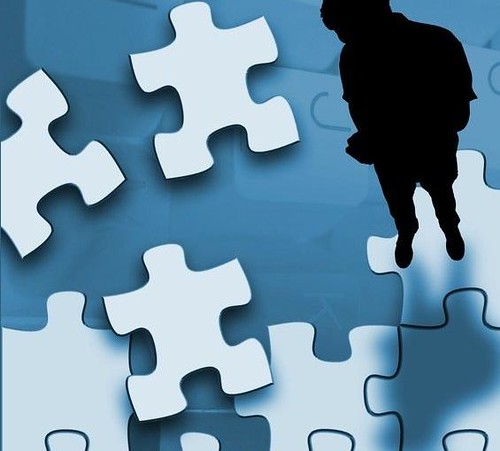
We have been injured. Shattered. Healing is collecting those pieces and reassembling them. It can be a chance to curate your life. To examine each piece and make a conscious choice about whether to include it in this new life. Because it is a new life you're assembling. The old one is gone. And as much as we long to "be back to normal", we say, or to "just have things the way they were", the truth is that normal wasn't working out so great. The way things were was problematic. We just didn't yet know it. Not yet.
Healing can be an opportunity, if we take it. Will we keep this friend or let her go? Will we continue to show up for the boss who never supports us? Will we continue to prioritize everyone else over our own needs, our own health, our own joy? Or will be assemble a life with us at the center of it? A life that honors ourselves and models to those around us that they can build a life that honors themselves too. It won't be easy. It won't be a pure thing, a perfect thing. But, as Wendig says, we can pass trauma's last mile marker by doing the work. By looking that monster straight in the eye and saying, I'm not going to live my life running from you. I'm not going to let you keep me scared and small. Trauma has shaped who we are but we can learn to stand firm in the knowledge that we are grown-ass adults. We have stocked our toolboxes so that we can restabilize whenever we're thrown off-balance by trauma.
We are on the healing road. And we will need to be patient. "Healing takes time," we are reminded. "And healing is painful." But it will take us where we want to go.